
When a Marigold Smells of Gas
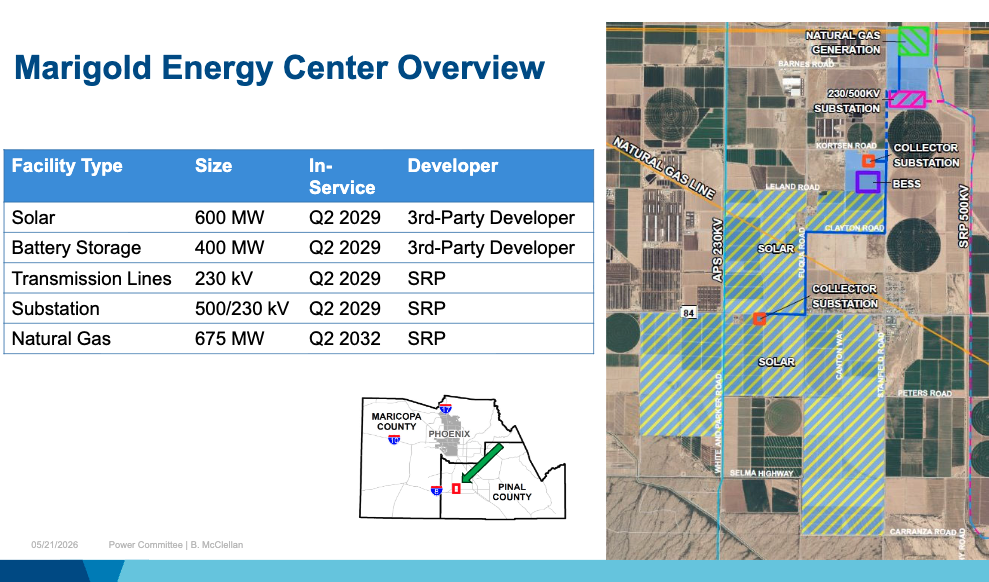
Marigold Energy Center in Pinal County
We should stop building natural gas plants entirely. But a majority of the SRP board chose to continue building them this week.
You need to understand what happened because this decision affects you.
According to climate scientists, there should be no more new methane gas power plants put in operation after 2030, and any that exist now should be out of operation by about 2040.
Set aside the climate argument for now and focus on the economics. Gas fired power plants are an exercise in short-sighted planning. Here are some hot takes.
Solar, wind and batteries are cheaper than gas, according to Lazards Levelized Cost of Energy Report. Proponents of gas power argue that the “capacity cost” of gas is cheaper than clean energy. Meaning that, in order get enough clean energy to meet peaking demand in the hottest time of the day, you need to overbuild it, and that costs more than gas. Even if you accept that argument, there are a few inconvenient realities. To whit…
If you build a gas power plant today, you need to fuel it for decades at whatever the price of gas is. When you put a gas plant in operation for the standard life expectancy of 40 years (that’s almost two Leonardo DiCipprio girlfriends!). Gas prices will always go up while sun and wind will only be the cost to build and maintain wind and solar. No fuel costs! They downplay this fact when they pitch new gas facilities.
Gas-fired power plants pollute and use valuable water that wind, solar and batteries do not use. This is a particular problem in Pinal county, which is so polluted that it is already considered a clean air “non-attainment” area. We are making it worse with this power plant. Proponents argue that this power plant uses less water than the farms which will cease to operate when Marigold is completed. That is a false comparison. We need to compare water use between energy types, not based on what was on that land prior to the gas plant.
SRP has what is called a “net zero” goal for 2050. That means that they will have zero emissions from the production of power by that date, even if you are still generating some carbon. In other words, you might generate carbon pollution in 2050, but you will also at the same time have to remove it from the air. That’s the “net” part.
You might know of the snake oil called “carbon capture.” I’ve been hearing about that for more than 20 years and nobody has been able to remove carbon from the air at any scale that could even begin to dig us out of the hole we are in. By 2050 SRP will still be generating millions of tons of carbon with no way to remove it from the air at the speed required to meet their net zero goal.
Maybe the Green Lantern will swoop down with some great alien tech between now and the. But I doubt it.
Here’s the reality. Every gas plant put in operation today has one of two fates. It could operate long after that 2050 deadline, even though we are not likely to be able to remove its carbon pollution from the air. Or it will have to decommissioned at great cost to customers because clean alternatives will continue to get so much cheaper that the gas plants will be uneconomical, much like coal plants are now.
What Happened at the Board Meeting, and Why You Should Care
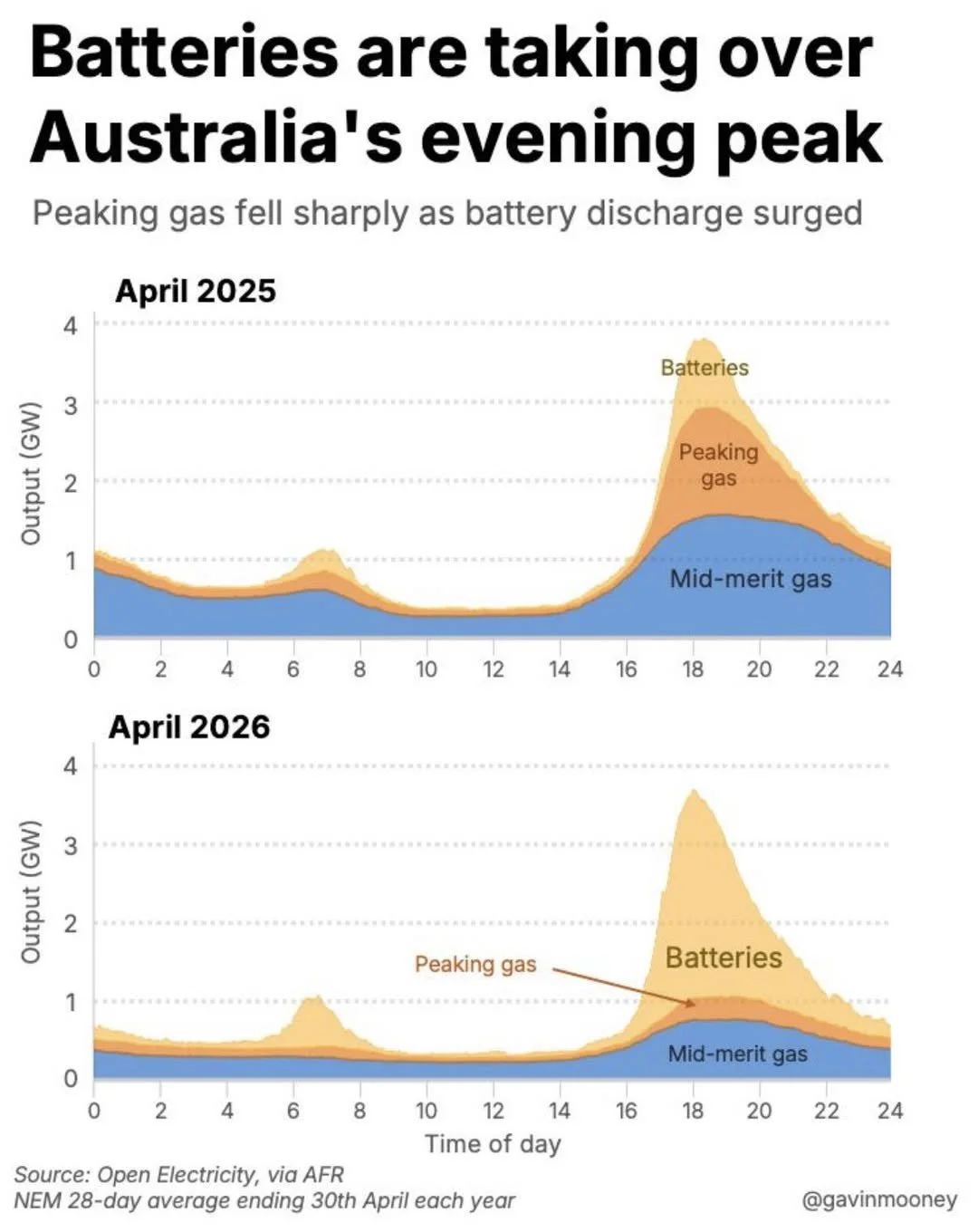
I ran an amendment to remove the 675 megawatts (MWs) of gas from the project and replace it with an equal amount of clean Virtual Power Plant (VPP) capacity.
For a primer on VPPs and why they are crucial to our future, see this blog post from last year.
In short, in the time it takes for the gas plant to be built and put in to operation (2032), we could come up with 657MW of peaking capacity to make the gas plant unnecessary.
I point to examples from California and Australia where VPPs have done just this, while saving customers tons of money.
Unfortunately, general counsel stood up and would not allow me to run the amendment.
The reason?
He said that the first half of my amendment —removing the gas units— could be voted on, but that the second part —creating a VPP program— could not, because a VPP program was not noticed on the agenda per open meeting law.
That was convenient.
I don’t buy his argument, but I was powerless on that point.
SRP counsel construes open meeting law so narrowly, nobody could ever offer an amendment on any item on an agenda. The concept of a VPP program in this case was definitionally tied to the Marigold facility, and that was noticed to the public.
I requested that my amendment be put on the agenda for the next board meeting. Knowing how Management operates, they will bury it in a committee meeting where only a few people will have their vote registered on the topic.
Add to this the refusal from Management during the months of meetings and presentations about Marigold to share publicly the underlying assumptions about the costs of building this facility.
These tactics represent behaviors that the Clean Team has been fighting for years —hiding the ball, controlling information and engineering discussion so there can be no dissent.
They point to reforms that I and others are pushing, and which we expect so see Management and SRP board president, and general disappointment, Chris Dobson fight tooth and nail.
The Reforms That We Need, Coming Soon.
So, you know that I’ve been pretty quiet here on my blog and in my newsletter for much of the summer. I was learning the ropes, plus Management has been pretty explicit in threatening that we should not express opinions that don’t show a general unity on the board.
Very politburo of them.
Now that I’ve learned about the general tactics of Management, especially how things went down this week, I’m not going to remain silent.
The costs of silence are just too high for customers.
Coming soon will be a series of posts detailing some of the most importance reforms that I recommend —which I hope the public will demand.
———————
An Important Disclaimer
Ken Clark is a Salt River Project Board member. The views expressed in this content are solely his individual views and opinions, and are not made on behalf of the SRP Board of Directors or Salt River Project Agricultural Improvement and Power District.