
Is a Virtual Power Plant Real?
Would you like to save lots of money, and would you like your power utility to avoid building more water-wasting, polluting gas-fired power plants?
What we need, especially at SRP, are more “virtual power plants”, or VPPs.
We are talking about today is the future energy grid taking shape before your eyes.
There are really two kinds of virtual power plants that you need to know about.
If you want to get hip to the lingo, these programs broadly fall in to the category of “demand response.”
Source: APS Marketplace
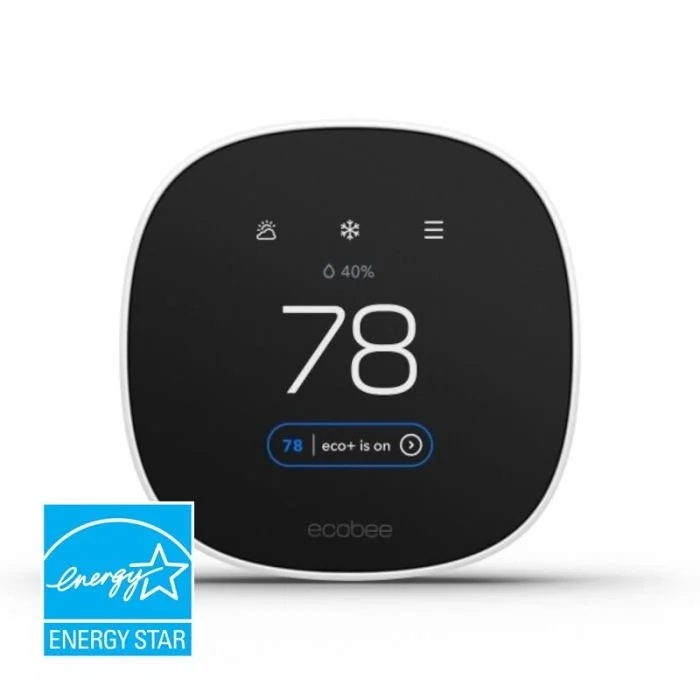
1. The Thermostat Kind
Imagine you have 10,000 homes that have each been outfitted with smart meters, which the home owners got a really sweet deal on from their power utility. Let’s say the utility predicts a real chance of a brown out. As part of their agreement with these home owners, the utility changes the thermostat setting by one or two degrees for those 10,000 customers.
The crisis is averted because the demand on the grid drops for a couple crucial hours at the hottest part of the day.
SRP has a really robust program of this kind. This article details how SRP, as part of their Bring Your Own Thermostat program back in 2018, enrolled 67,000 devices to offset 132MW of power.
In regular people language, that’s one small power plant that was not needed for that time.
A couple quick points:
Up above you see I mentioned “devices”, not just thermostats. That’s because these programs can manage power use for a whole list of types of other devices, too. I just mentioned thermostats for the example.
For those couple folks who think I’m too hard on SRP, this is one of those programs that we should celebrate and do more of! Yeah SRP!
2. The Battery Kind
This is the new kid on the block —and not in the boy band way. This is here to stay.
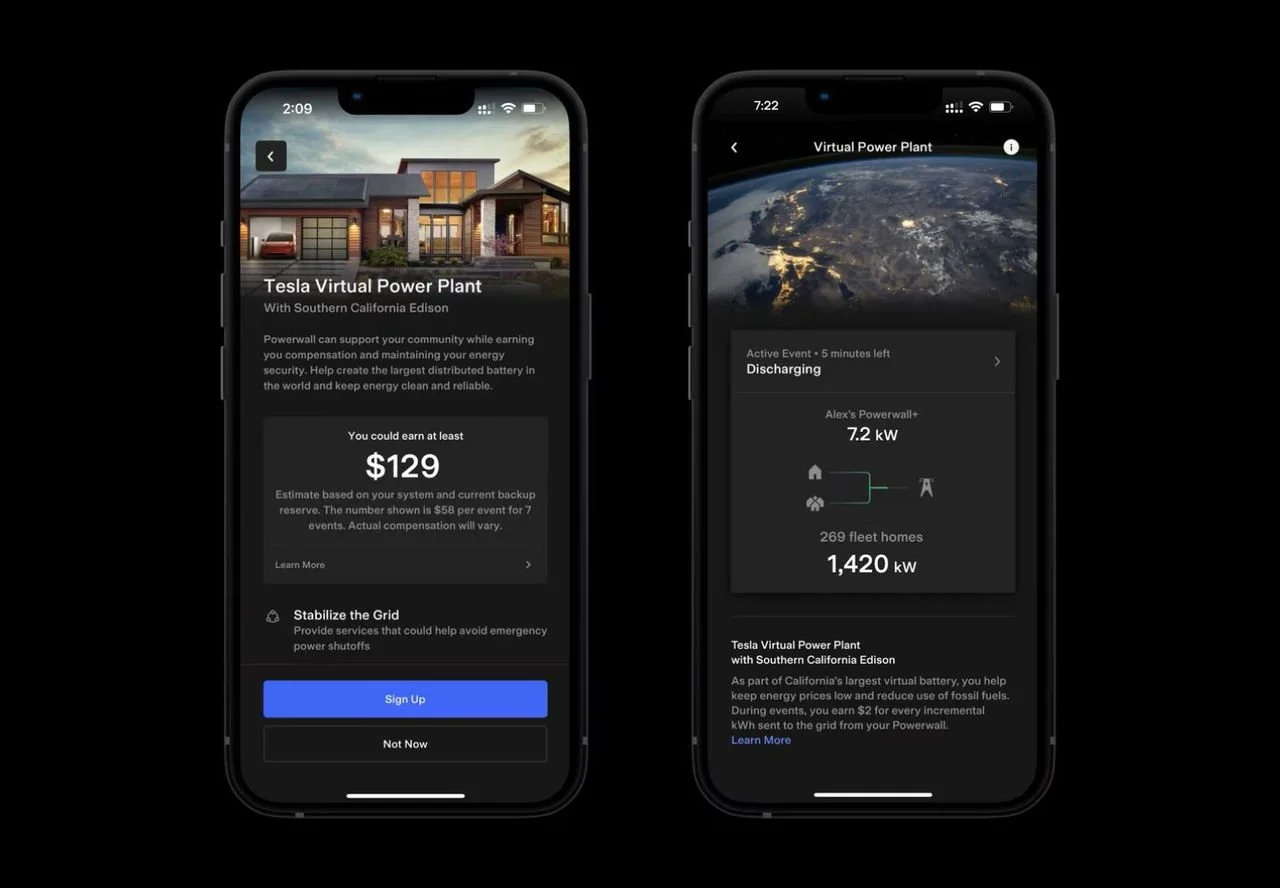
Let’s imagine a similar picture as above. But now you see 10,000 homes with batteries —with or without solar panels. Your friendly local utility pays down the cost of the battery and in exchange can pull a sliver of power from those batteries to avoid brown-outs.
Source: PG&E
But it gets better. If the utility needs to pull a little power from your battery, they will pay you cash money for it. You will get much more for those electrons going out than you paid for them coming in. And the utility saves because what they are paying you is still cheaper than market prices on hot days.
It’s a win-win.
This is a quickly growing field. Those crazy leftie environmental extremists in Utah’s Rocky Mountain Power have this pilot program. Late last year California reported that they had 720MW worth of customer battery capacity ready to deploy through their Demand Side Grid Support (DSGS).
And when California boasted “the largest virtual power plant in the world,” Australia said “Here, hold my kookaburra.” They then installed 100,000 home batteries in 17 months, offsetting something close to a gigawatt of power. That’s a big power plant that does not need to be built.
Customers could get 30% to 40% off the installation of solar + batteries, and connect as part of the VPP.
Could you imagine getting 30% off the cost of solar and batteries on you home and know that you are stabilizing the grid while doing it?
Tucson Electric Power and APS get special credit here for their battery VPP programs.
If I’m elected to the SRP board, I will push for SRP to move faster here. In the last rate hearing that I watched in 2025, SRP is still in the pre-rollout planning phases.
The Board needs to send a signal that this is a priority.
Some other kinds of VPP’s
If we can put massive batteries next to power plants in the desert and lots of small ones in homes, then there is no reason we couldn’t distribute them alongside transmission substations and converters that litter the valley. Have a look at this short video about how a small town saved $250,000 just by installing 5MW of batteries in a pretty small space in their relatively small grid area.
We could do that in Phoenix.
There are also bill reimbursement programs for customers, or pay-as-you-go programs being rolled out around the country. Imagine the thermostat and battery options, along with insulation or efficient heat pumps being provided to customers by the utilities for almost nothing up front. The cost of the new items can be spread out over years on your bill. But the real win for you is that the new charge on your bill must always be less than the energy savings that you will see from the new stuff on your home. So, you are adding efficiency, and still saving money.
The innovation I bring.
I’ve been saying since I was the Arizona State Energy Office Director back in 2005 that utilities need to think creatively about new revenue streams like this, which also reduce demand.
I’d go so far as to say that they’d better get serious about this innovation soon. We will hit a tipping point in the next few years where batteries and solar will become so cheap that people will leave the grid, whether utilities want them to or not.